Detroit, Michigan – General Motors and the National Highway Traffic Safety Administration on Thursday released the findings of an independent investigation into GM’s failure to recall faulty vehicles, leading to at least 13 days. The investigation, conducted by former U.S. Attorny Anton Valukas, was commissioned by GM earlier this year as recalls mounted and the death count from accidents tied to defective Chevy Cobalt models grew.
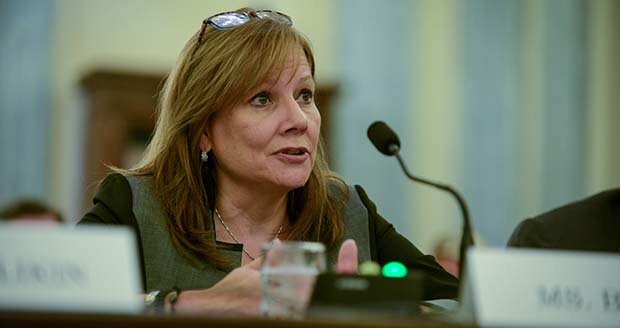
GM CEO Mary Barra apologized again to the victims of accidents, as she has done several times since the recall issue arose soon after she took over management at the company early this year. Barra announced that Kenneth Feinberg, a financial analyst hired in the wake of the scandal, will administer a compensation program for those who have lost loved ones or who have suffered serious physical injuries as the result of an ignition switch failure in recently recalled vehicles.
Barra described the Valukas findings as “extremely thorough, brutally tough, and deeply troubling.”
“Overall the report found that, from start to finish, the Cobalt saga was riddled with failures which led to tragic results for many,” Barra said, noting that the report revealed no conspiracy by the company to cover up the facts and no evidence that any employee made a trade-off between safety and cost.
Barra said 15 individuals who were determined to have acted inappropriately are no longer with the company. Disciplinary actions have been taken against five other employees.
The 325-page report (pdf file) details when engineers learned of problems, the steps they took to fix them, and why the faulty ignition switches did not merit a safety recall for a decade. In the report, Valukas said one of the biggest problems was that safety experts at the company treated the faulty switches as a customer service issue, not a safety problem.
The switches, in some cases, could slip from the “run” position into “accessory” or even “off,” effectively shutting the car down, even at highway speeds. When the first complaints arose, engineers said that even if the car stalled, drivers still had the ability to brake or steer (although without power assistance), so the cars remained safe. Valukas said those engineers should have realized that airbags would fail to deploy if the key was switched off, making the problem a major safety concern, not a nuisance.
Much of the report focuses on engineer Ray DeGiorgio, the person who approved use of the switch, even when suppliers reported that it didn’t meet GM standards for staying in position. In emails with Delphi engineers, DeGiorgio asked for solutions to the switch flaw but wasn’t given any good options. Because of the small size of the switch, adding extra springs wasn’t practical, and other solutions offered could have damaged electronics inside the ignition, leading to other electrical failures.
DeGiorgio closed one email with the signature “Ray (tied to the switch from hell) DeGiorgio.” In interviews with Valukas, he said the signoff was a show of frustration for numerous electrical problems with the switch and the amount of time he was spending to fix them.
GM Chairman Tim Solso said the Board of Directors has been working closely with the management team to get the facts on the ignition switch issue and to see that changes are made to prevent such a tragedy from ever happening again.
“The board engaged Anton Valukas to investigate and determine what went wrong while already working with GM’s leadership to make necessary changes,” Solso said. “We have received and reviewed Valukas’ very thorough report and are continuing to work with management to oversee the implementation of the recommendations contained in the report.
“In addition, the board also retained independent counsel to advise us with respect to this situation and governance and risk management issues. We will establish a stand-alone risk committee to assist in overseeing these efforts.” Solso said. “The board, like management, is committed to changing the company’s culture and processes to ensure that the problems described in the Valukas report never happen again.
“The Valukas report confirmed that (top GM officials) Mary Barra, Mike Millikin, and Mark Reuss did not learn about the ignition switch safety issues and the delay in addressing them until after the decision to issue a recall was made on Jan. 31, 2014,” Solso said.
Barra emphasized to employees that the company has adopted and will continue to adopt sweeping changes in the way it handles safety issues. The actions to date include:
- Appointing Jeff Boyer as vice president of global vehicle safety, elevating and integrating GM’s safety processes under a single leader
- Adding 35 product safety investigators that will allow GM to identify and address issues much more quickly
- Instituting the Speak up for Safety program encouraging employees to report potential safety issues quickly and forcefully
- Creating a new Global Product Integrity organization to enhance overall safety and quality performance, and Restructuring the recall decision making process to raise it to the highest levels of the company.
In remarks to employees, Barra said she is committed to leading “in a way that brings honor and respect to this company. Together, we have to understand that the attitudes and practices that allowed this failure to occur will not be tolerated,” she said. “Also, if we think that cleaning up this problem and making a few process changes will be enough, we are badly mistaken. Our job is not just to fix the problem. Our job must be to set a new industry standard for safety, quality, and excellence.”
Source: General Motors, National Highway Traffic Safety Administration