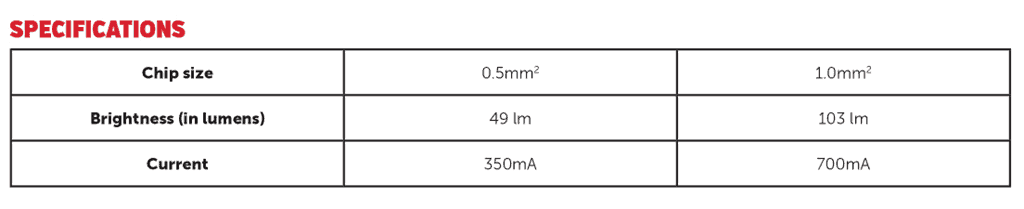
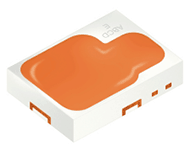
Synios P2720 CR light-emitting diode (LEDs) allow bright, fog-penetrating light inside combination taillamps. Monochromatic LEDs have not traditionally been suitable for rear fog applications because they lose about 50% of brightness in certain environmental conditions. The primary solution, increasing the number LEDs, increased cost. More importantly, it required more space at a time when automakers are consolidating multiple light types (brake, signal indicator, reverse) into single units.
The Synios P2720 CR LED loses about 10% brightness in some conditions, remaining bright enough to pierce fog and provide location warnings to nearby drivers.
Osram https://www.osram.us

Wear-resistant powertrain material
Increasing sales of consumer electronics and electric vehicles are stressing the world’s cobalt supplies, forcing automakers and other industrial users to seek alternatives. A sintered-steel material for powertrain components such as turbocharger wastegate bushings, exhaust-gas recirculation (EGR) valves, and valve seats reduced cobalt use without compromising wear resistance.
Powertrain components must withstand temperatures from 0°C to 1,000°C, making the tribology (sliding characteristics) challenging. Engineers studied alloys containing as much as 54% cobalt to identify how the material improved component tribology. A wear-reducing tribolayer formd on cobalt-heavy materials but not on cobalt-free ones. However, the material didn’t need to be more than half cobalt to get that layer.
FM-T88A is a sintered steel with 17% cobalt content, meets tribology, quality, machinability and manufacturability requirements.
Tenneco Inc. https://www.tenneco.com
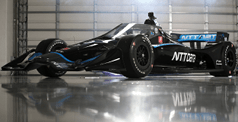
Racing windscreen
The Aeroscreen ballistic, canopy-like windscreen adds wind protection for Indycar racecars. The polycarbonate-laminated ballistic windscreen is attached to a titanium frame. The entire Aeroscreen assembly can be fitted on or removed from an NTT Indycar series vehicle in less than 15 minutes.
The screen includes an interior anti-reflective coating, an anti-fogging device using an integral heating element, and up to eight exterior tear-offs that can be removed during pit stops if the screen gets dirty. At 17.3 lb (7.8kg), the windscreen can withstand a 2 lb pound object striking it at more than 220mph.
The titanium frame weighs 27.8 lb (12.6kg) and can withstand 34,000 lb (15,422kg) of force.