
Shopping for a new family car this month showed me exactly how far the auto industry needs to go to hit 2025 Corporate Average Fuel Economy (CAFE) standards.
Like many families, we wanted a car that doesn’t exist – one with 40mpg and enough power to pass other cars on the freeway, one that could accommodate seven adult passengers and their luggage but still remain inexpensive and efficient, something high off the road like a sport utility vehicle but easy to park in crowded lots.
Intellectually, I knew this was impossible. I’ve talked to car designers for years about the huge gap between what customers say they want and what’s really possible. But going into showrooms and seeing what’s available on the market really brought the message home.
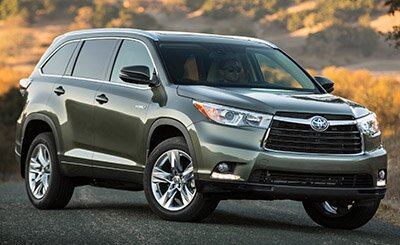 That high ride height? It creates aerodynamic drag that lowers fuel economy. Extra seating capacity? Even with the best interior packaging, you need longer vehicle lengths and more steel, hence higher weight and lower fuel economy.
Hybrids can get you part of the way there, but still far from new federal goals. Ford dropped the Escape hybrid with its latest generation of the small SUV, leaving the Toyota Highlander as the only gas-electric vehicle in that class. Starting at $47,000, it gets 28mpg, far below future CAFE standards.
Today, fuel-efficiency is completely tied to size. To get more than 40mpg, you either need a small car, a hybrid, or a diesel, and outside of the small cars, pickings are very slim. Ford’s Fusion hybrid and Toyota’s Camry get there, at a price, and Volkswagen’s diesel Passat hits those numbers with a much higher fuel price tag.
For a lot of families, this isn’t a major concern. Despite stubbornly high gasoline prices, SUVs and large crossovers have done quite well so far this year. Chrysler’s growth compared to its rivals comes almost entirely from the new Jeep Cherokee, a vehicle that tops out a 31mpg highway.
Those numbers aren’t going to be good enough to hit upcoming efficiency standards.
In real-world terms, automakers have to hit 42mpg for fleet averages by 2025. Since the gas-price run up in 2007, economy has improved at 3.2% per year. At that rate, we’ll only get to about 36mpg by the deadline. The annual growth rate needs to climb to about 4.8% if automakers are going to hit goals.
Getting that growth rate up means more aluminum, more composites, more hybrids, more electric vehicles, and most likely, some compromises on size and power levels.
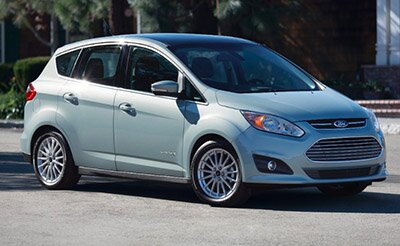 After our search, we ended up with a hybrid that will hit the 2025 standards, just barely. And we had to compromise. It’s lower to the ground than we wanted, has significantly less space than the minivan it replaces, and barely has enough luggage space for a four-day weekend.
The good news came on the price side. The massive price premiums on hybrid vehicles from a few years ago have fallen considerably, making them reasonable options. A few years ago, we would have had to pay significantly more for fuel economy while still dealing with the size compromises. So there’s been progress, but the path ahead looks very challenging.