Cleveland, Ohio – It’s almost impossible to find a bad new car these days. Some vehicles are clearly better than others, but the worst new car on the road today is better built, more durable, and more luxurious than upscale models from decades past.
Consider standard equipment. Many mid-sized sedans don’t even come with an option for a manual transmission; the cheapest offerings available have power windows and door locks; and Bluetooth connections for cell phones are treated as birthrights for many buyers, not features.
Quality is still a problem for some producers, but again, the worst-produced vehicle today could beat most of the market from 2000.
So why isn’t anyone buying these great cars?
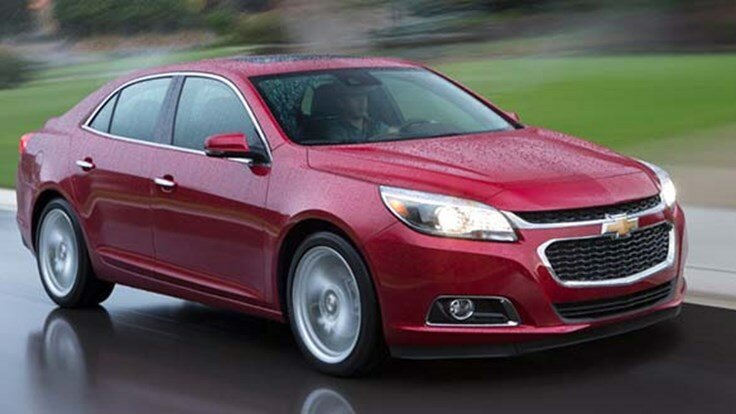
So far in 2015, trucks, sport utility vehicles, and crossovers have dominated sales growth. At Ford, vans are flying off of dealer lots while the very good Focus compact car languishes. At General Motors, Chevy Malibus collect dust while the Buick Encore crossover introduces a new generation to the brand. Lest you think this is strictly a Detroit issue, at Toyota, sales of the Prius hybrid that used to command months-long waiting lists are down this year, while the company is trying to speed production of its Rav4 small SUV.
The easy answer is gas prices – with the cost of a tank relatively low, consumers are more comfortable with thirstier vehicles. That’s certainly a factor, but gas prices were low when Prius sales hit their earlier peaks, and trucks began gaining market share when fuel was still more than $3.50 per gallon.
The more likely explanation is a problematic one for automakers – the idea that Americans simply like big vehicles. That’s problematic because car companies have less than 10 years left to hit the 54.5mpg average fuel economy standards (deadline 2025).
The easiest way to hit that target would be a shift in buying patterns, for Americans to embrace fuel economy as Europeans do. A few years ago, the conventional wisdom was that people would downsize if the cars got better, giving them a reason to give up their trucks and SUVs.
Well, the cars got better. But so did cars and trucks, so many buyers still don’t have a reason to switch.
Between now and 2025, something is going to have to change in the market – either the type of product offered, a massive shift in fuel prices, or big increases in truck/SUV prices coupled with discounts on cars.
The good news, for those willing to take advantage of the market, is that if you want a car, it’s almost impossible to find a really bad one these days.